
Install the app
How to install the app on iOS
Follow along with the video below to see how to install our site as a web app on your home screen.
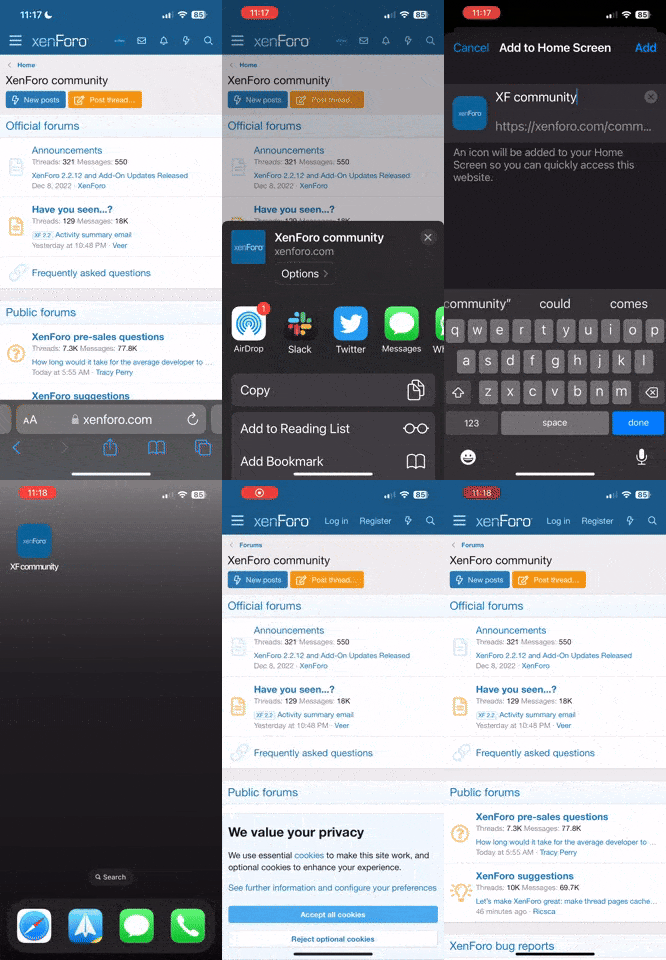
Note: This feature currently requires accessing the site using the built-in Safari browser.
You are using an out of date browser. It may not display this or other websites correctly.
You should upgrade or use an alternative browser.
You should upgrade or use an alternative browser.
New profile posts


-
*Asu_Shiro* Naoyun *Asu_Shiro* wrote on Naoyun's profile.
<a href="https://superpay.me/members/withdraw/list.php?ref=Asushiro" target="_blank"><img src="https://superpay.me/images/banners/4.gif" width="468" height="60" border="0" alt="Referral Banner" title="Referral Banner" /></a>
-
*Asu_Shiro* Naoyun *Asu_Shiro* wrote on Naoyun's profile.

-
NicoRuby hibikiworks NicoRuby wrote on hibikiworks's profile.
Excuse me do u have Tsuyokiss 2gakki? Please upload it on Google doc please
Excuse me, Mr Shine and thank u for reup. Do u have this つよきす2学期?? If possible can u upload or reupload this as well and put on mexashare. http://www.getchu.com/soft.phtml?id=479965 if u do not mind please upload this

-
MidoriAmatoya mildis MidoriAmatoya wrote on mildis's profile.
It's something in the words' pronunciation and some other little elements, for example, there is no difference in Russian (like in English) whether your brother (or sister) is elder or younger, there is only one word you can call them (brother=брат (brat), sister=сестра (sestra)), however you refer to your siblings differently depending on whether they are younger or older in Kazakh and Japanese (otouto/ani=іні/аға (the rough pronunciation is ini/aga), imouto/ane=қарындас/әпке (karyndas/apke)).
-
MidoriAmatoya mildis MidoriAmatoya wrote on mildis's profile.
Hello, mildis. Thank you for your thoughts in regards of what you read about Kazakh, Japanese and Korean languages' origin and history, it was very interesting for me to read. The translation of your message wasn't difficult, the most difficult part was linguistic terms I'm unused to (so, even after the translation from Japanese it was a bit hard to understand). I would be glad if you continued writing me in Japanese (of course, if you want to). As of the Kazakh alphabet, it seems to have been changing constantly even over the last century. There were also Arabic and Latin versions of the alphabet, the Cyrillic version was suggested and approved only in 1940 while Kazakhstan was a part of the USSR, which explains why it doesn't really have anything in common with Russian language while sharing the Cyrillic alphabet with it. Kazakh language is considered one of the Turkic languages, a large group of closely related Altaic languages of western and central Asia, including Kazakh, Turkish, Azerbaijani, Kyrgyz, Uighur, Uzbek, and Tatar. Don't know about the other languages, but I've seen Kyrgyz and Uzbek translations of Kazakh texts, and it was almost identical. What differed was mostly just a pronunciation, Kyrgyz language sounds more soft while Uzbek language sounds more... rough? ...firm? ...coarse? (don't know how to say in English). Japanese and Kazakh language sure don't have anything in common, but I find that Kazakh and Japanese resemble each other more than, for example, Russian and Kazakh or Russian and Japanese.

-
mildis MidoriAmatoya mildis wrote on MidoriAmatoya's profile.
Addition. The below are the articles in Wikipedia:
French: Aricle en France
English: Article in English
Kazakh: Article in Kazakh
Russian: Article in Russian
Japanese: Article in Japanese
Regards, _ mrd
French: Aricle en France
English: Article in English
Kazakh: Article in Kazakh
Russian: Article in Russian
Japanese: Article in Japanese
Regards, _ mrd
-
mildis MidoriAmatoya mildis wrote on MidoriAmatoya's profile.
Bonjour. Thank you for reply and explanation. I'll use Japanese language here in message. フランス語、英語、日本語版ウィキペディアで、「カザフスタン」について見てみると、フランス語版はだいたい英語の翻訳のようで、日本語版もそのようである。インターラングに、"Қазақша" というのがあるので、クリックしてみると、シリル文字(キリール文字)をベースにして、文字にいくらか変更や追加を行った文字で書かれたページが出てきます。"Қазақша" というのは、「カザクシャ」と読むのでしょうか。Қ が、kh のような音を表す子音に思える。ところで、 "Қазақша" は、シリル文字に似た文字なので、読んでみると、明らかにロシア語とは異なるし、スラヴ系の言語でもない。
カザフ語は、アルタイ諸語のテュルク諸語に属すると言うことである。アフリカーンス語とモンゴル語のウィキペディアで、秀逸な記事(featured article)になっており、フィンランド語では、良質な記事(good article)になっている。モンゴル語は、アルタイ諸語のモンゴル語族に属しており、カザフ語とは、同じアルタイ諸語に属しているので、記事が充実しているのは分かるし、フィンランド語は、フィン・ウゴール語族で、これは、ウラル語族である。いまから半世紀ほど前には、ウラル・アルタイ語族として、アルタイ諸語と、フィン・ウゴール語族などのウラル語は、同一系系統だとされていたが、最近では、ウラル語とアルタイ諸語は、別系統だと考えられている。しかし、いまでもウラル・アルタイ語族という考えは残っており、フィンランド語版ウィキペディアで、良質な記事というのは分かるように思うが、アフリカーンス語で、秀逸な記事というのは、よく分からないです。アフリカーンス語は、オランダ語をベースにした、アフリカの言語との混成言語で、アルタイ諸語とは何の関係もないと思う。
他方、日本語とか朝鮮語は、アルタイ諸語に属するのではないかという説があります。日本語の起源問題は難しく、しかし、大体、文法は部分的にアルタイ諸語の影響があるようで、語彙は、オーストロネシア語族系統で、文法と語彙に、長江文化(揚子江流域の古代文化で、現在も少数民族が維持している)の言語と共通なものがあるとも思える。朝鮮語との類似は、アルタイ諸語からの影響である文法構造に共通構造があるためではないかと思える。
(朝鮮語と日本語は、まったく語彙が対応しない。そのため、表面的な文法構造では似ているが、同じ語族や諸語としてまとめることができない。古代日本語は、8世紀から7世紀、ときに6世紀に遡れる文献サンプルがあるが、古代朝鮮語はまったく不明である。朝鮮語の古い文献サンプルは、13世紀か12世紀までのものしかなく、それ以前の新羅、百済、高句麗などの言語は、まったく分からない。現在の朝鮮語が、古代の新羅や百済、高句麗と同じ言語であったという証拠はどこにもないのです。他方、現在の日本語は、まぎれもなく、8世紀から7世紀の記録文献に残っている古代日本語の後裔であり、歴史的な変化も分かっています)。
姓氏名前も、記録のある12,13世紀の高麗や李氏朝鮮の王や貴族や官僚、知識人の姓氏名前は、中国人のそれと同じである(発音が朝鮮半島の読み方ではいくらか違う)。しかし、中国の歴史書に記録されている、古代新羅、百済、高句麗の王や将軍、貴族、知識人の名は、中国人の姓氏名前などとはまったく別である。朝鮮半島では、どこかで大きな断絶があったように見える(単に、姓氏名前が変化しただけかも知れないが、古代の新羅や百済の言語がまったく不明である以上、比較しようがない。他方、日本人の姓氏名前は、8世紀、7世紀の日本の史書、それ以前、中国の史書に出てくる名は、古い日本語の名だと判断できる。つまり、連続性がある)。朝鮮語と日本語は、文法の一部でかなり似た構造があるが、別系統の言語としか考えられない。
The above messages are the example of Japanese language. Sorry. Do you understand the above sentences. They contain pretty special lingestic terms or words, and historical proper nouns. - regards, _ mrd
カザフ語は、アルタイ諸語のテュルク諸語に属すると言うことである。アフリカーンス語とモンゴル語のウィキペディアで、秀逸な記事(featured article)になっており、フィンランド語では、良質な記事(good article)になっている。モンゴル語は、アルタイ諸語のモンゴル語族に属しており、カザフ語とは、同じアルタイ諸語に属しているので、記事が充実しているのは分かるし、フィンランド語は、フィン・ウゴール語族で、これは、ウラル語族である。いまから半世紀ほど前には、ウラル・アルタイ語族として、アルタイ諸語と、フィン・ウゴール語族などのウラル語は、同一系系統だとされていたが、最近では、ウラル語とアルタイ諸語は、別系統だと考えられている。しかし、いまでもウラル・アルタイ語族という考えは残っており、フィンランド語版ウィキペディアで、良質な記事というのは分かるように思うが、アフリカーンス語で、秀逸な記事というのは、よく分からないです。アフリカーンス語は、オランダ語をベースにした、アフリカの言語との混成言語で、アルタイ諸語とは何の関係もないと思う。
他方、日本語とか朝鮮語は、アルタイ諸語に属するのではないかという説があります。日本語の起源問題は難しく、しかし、大体、文法は部分的にアルタイ諸語の影響があるようで、語彙は、オーストロネシア語族系統で、文法と語彙に、長江文化(揚子江流域の古代文化で、現在も少数民族が維持している)の言語と共通なものがあるとも思える。朝鮮語との類似は、アルタイ諸語からの影響である文法構造に共通構造があるためではないかと思える。
(朝鮮語と日本語は、まったく語彙が対応しない。そのため、表面的な文法構造では似ているが、同じ語族や諸語としてまとめることができない。古代日本語は、8世紀から7世紀、ときに6世紀に遡れる文献サンプルがあるが、古代朝鮮語はまったく不明である。朝鮮語の古い文献サンプルは、13世紀か12世紀までのものしかなく、それ以前の新羅、百済、高句麗などの言語は、まったく分からない。現在の朝鮮語が、古代の新羅や百済、高句麗と同じ言語であったという証拠はどこにもないのです。他方、現在の日本語は、まぎれもなく、8世紀から7世紀の記録文献に残っている古代日本語の後裔であり、歴史的な変化も分かっています)。
姓氏名前も、記録のある12,13世紀の高麗や李氏朝鮮の王や貴族や官僚、知識人の姓氏名前は、中国人のそれと同じである(発音が朝鮮半島の読み方ではいくらか違う)。しかし、中国の歴史書に記録されている、古代新羅、百済、高句麗の王や将軍、貴族、知識人の名は、中国人の姓氏名前などとはまったく別である。朝鮮半島では、どこかで大きな断絶があったように見える(単に、姓氏名前が変化しただけかも知れないが、古代の新羅や百済の言語がまったく不明である以上、比較しようがない。他方、日本人の姓氏名前は、8世紀、7世紀の日本の史書、それ以前、中国の史書に出てくる名は、古い日本語の名だと判断できる。つまり、連続性がある)。朝鮮語と日本語は、文法の一部でかなり似た構造があるが、別系統の言語としか考えられない。
The above messages are the example of Japanese language. Sorry. Do you understand the above sentences. They contain pretty special lingestic terms or words, and historical proper nouns. - regards, _ mrd
-
MidoriAmatoya mildis MidoriAmatoya wrote on mildis's profile.
Yes, I've heard too that Russian language is complicated when is seen from a foreigner's point of view, and I think that not so many Russian people have mastered it completely (in regards of perfect literacy), so many foreigners, who still study it, talk while using incorrect word endings and etc. It's easier to talk this way and most Russian speakers still understand what a foreigner is trying to say, so it's a valid way of talking until mastering the Russian language, I think.
-
MidoriAmatoya mildis MidoriAmatoya wrote on mildis's profile.
Hi, mildis. Of course, I don't mind becoming friends. I will send you a friend request myself, so you won't have to. I'm studying Japanese to be able to translate from it, so I got pretty good with translation (I think) after a lot of practice (I read visual novels in Japanese almost every day with the help of a program which captures Japanese text and allows to look up the meaning of every word in a dictionary). My knowledge of Japanese grammar is okay since I've read Japanese grammar books, my weak point is my vocabulary, I need to learn more Japanese words. Reading Japanese texts every day helps a lot. Thank you for your suggestion, I will remember to ask you if I have a question. Kazakhstan was a part of the USSR until 1985 and it affected its culture a lot, almost every one here speaks Russian, books are mostly in Russian language. However, lately the government made it a priority so everyone had knowledges of Kazakh language and used it, so I think I will start learning it seriously after I have confidence that I've mastered Japanese more or less. I'm not surprised that Kazakhstan is not all that well-known around the world, because I don't think that our literature and entertainment industry are that developed to be known anywhere except for our country. In the first place, Kazakhstan wasn't a very developed country until Russia made it a part of the USSR, a large percentage of the population was illiterate, there were very few writers, thinkers and philosophers, so, after becoming a part of the USSR and gaining literacy, the products of culture in Kazakhstan became a part of Russian culture rather than Kazakh. And after the collapse of the USSR there have been many economical problems, so not much room for the cultural development.
please upload TsuyoKiss Full Edition. http://www.getchu.com/soft.phtml?id=719743

-
nihonbashi Leggy nihonbashi wrote on Leggy's profile.
Hey there! Thanks for accepting my friend request. 
-
W
worldblues velka worldblues wrote on velka's profile.
Just a heads up Velka that this is missing a part 2 also
http://www.anime-sharing.com/forum/hentai-games-38/japanese-~new~-%5B190510%5D%5B%E3%82%A8%E3%83%AD%E3%82%B2%E3%83%BC%E3%83%A0%5D%5B%E3%82%A2%E3%83%91%E3%82%BF%E3%82%A4%E3%83%88%5D-%E3%83%96%E3%83%92%E3%82%A3%EF%BC%81%E5%A5%B3%E9%A8%8E%E5%A3%AB%E3%81%AA%E3%82%93%E3%81%8B%E3%81%AB%E8%B2%A0%E3%81%91%E3%81%AA%E3%81%84%E3%81%B6%E3%81%B2%E3%81%83%EF%BC%81-%E3%80%9C%E5%A7%AB%E6%A7%98%E3%82%A8%E3%83%AB%E3%83%95%E3%81%AE%E3%82%AA%E3%83%BC%E3%82%AF%E5%BC%84%E3%82%8A%E3%80%9C-%5Baman_0298%5D-819995/
http://www.anime-sharing.com/forum/hentai-games-38/japanese-~new~-%5B190510%5D%5B%E3%82%A8%E3%83%AD%E3%82%B2%E3%83%BC%E3%83%A0%5D%5B%E3%82%A2%E3%83%91%E3%82%BF%E3%82%A4%E3%83%88%5D-%E3%83%96%E3%83%92%E3%82%A3%EF%BC%81%E5%A5%B3%E9%A8%8E%E5%A3%AB%E3%81%AA%E3%82%93%E3%81%8B%E3%81%AB%E8%B2%A0%E3%81%91%E3%81%AA%E3%81%84%E3%81%B6%E3%81%B2%E3%81%83%EF%BC%81-%E3%80%9C%E5%A7%AB%E6%A7%98%E3%82%A8%E3%83%AB%E3%83%95%E3%81%AE%E3%82%AA%E3%83%BC%E3%82%AF%E5%BC%84%E3%82%8A%E3%80%9C-%5Baman_0298%5D-819995/