

- Sep 25, 2026
- 13
- 15
It is well known that women's consumption power is significantly stronger than men's in most scenarios. However, "strong consumption power" and "a large number of works in a certain category" are not the same thing. The fact that otome works are fewer than male-oriented works cannot be simply explained as women being unwilling to spend. It is more likely the result of statistical definitions, industrial structure, business models, platform policies, and social culture. The following are some hypotheses and explanations:
1. Definition and statistical bias: The boundary of male-oriented works is broad, often including cute-girl content, harem, isekai, gacha, and mildly suggestive general works. Otome works are usually defined more narrowly: a female protagonist, male love interests, and romance at the core. If BL, female-oriented idols, romance novels, audio dramas, TV dramas, and fan works are included as female-oriented, the gap shrinks considerably.
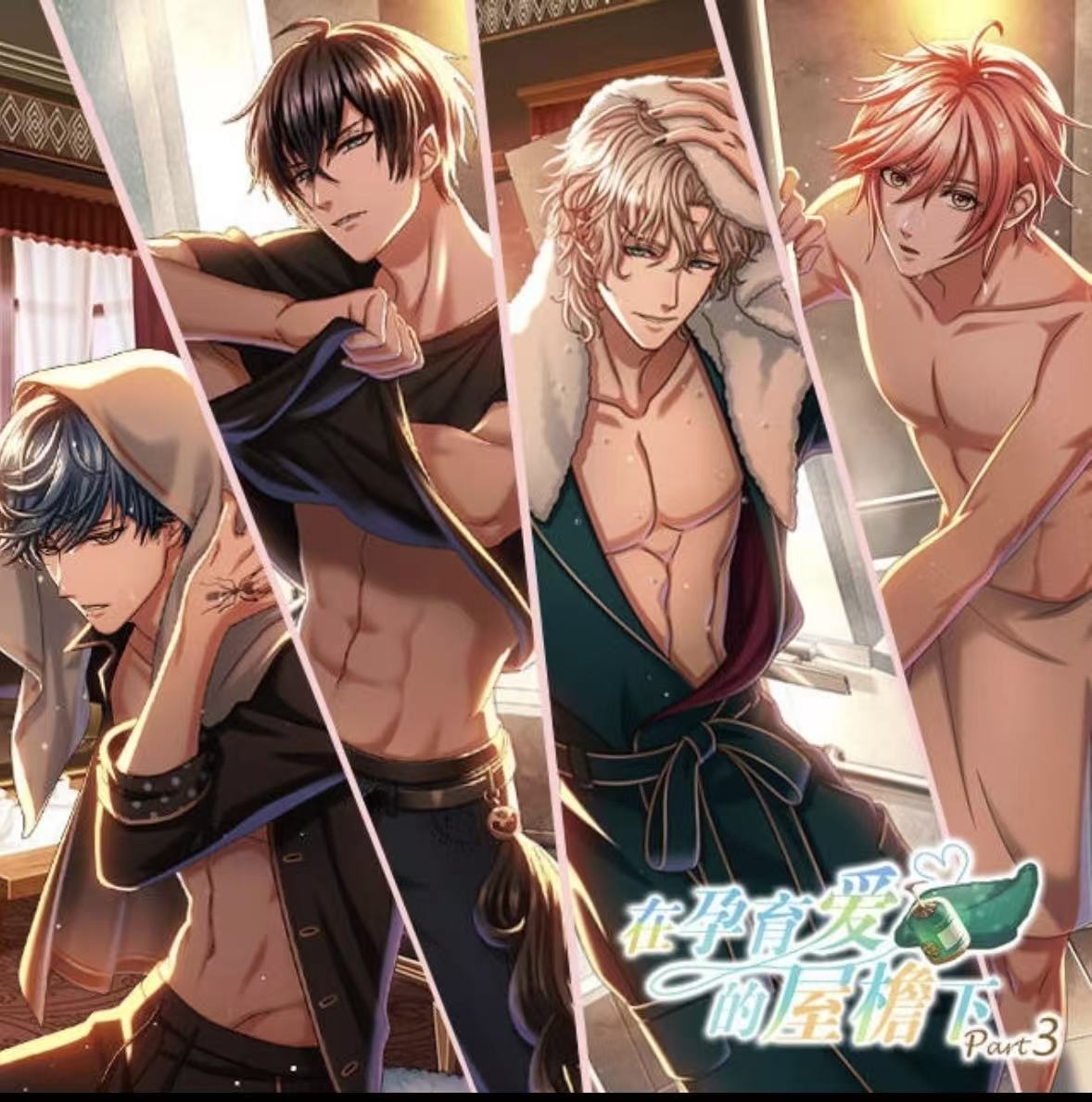
2. Strong consumption power does not equal a large supply: Women's spending may be concentrated in head IPs, merchandise, events, fan works, live-action dramas, and idols. Per-user spending can be high, but the user base and category concentration differ. Male-oriented works often rely on a larger user base, lower development risk, and mature monetization templates, supporting many small and medium-sized works.
3. Development economics and risk structure: Male-oriented gacha, skins, power progression, and collection models are mature and easy to operate long-term. Otome works depend more on story, text, art, and voice acting; content is consumed quickly, users may leave after finishing the story, development costs are high, and returns are uncertain. Investors prefer proven models, creating supply inertia.
4. Visibility of demand and community diffusion: Women's consumption of romance content may be more private, and shame or privacy concerns can discourage open discussion, weakening market signals. Male-oriented communities are often more visible, and their feedback, fan creations, and diffusion are stronger, driving more supply.
5. Platforms, algorithms, and censorship: Recommendations, advertising, and payment channels affect the number of works. Otome content involves romance, sexuality, and power relations, and in some markets it is more vulnerable to censorship or moral controversy. Male-oriented suggestive content already has relatively mature avoidance and distribution patterns.
6. Globalization and localization difficulty: Otome works rely on language, voice acting, romance scripts, and cultural context, making localization difficult and the market seem regionally limited. Male-oriented cute-girl visuals and gacha mechanics are relatively easier to replicate across cultures.
7. Fragmentation within female-oriented audiences: Female audiences have diverse preferences, including otome, BL, idols, general-oriented works, non-romance, and female growth stories. Capital finds it hard to cover them with a single label. Male-oriented audiences are also diverse, but the "cute girl/waifu" core is relatively more unified.
8. Consumption power flows to other media: Women spend heavily on romance novels, TV dramas, K-dramas, idols, audio dramas, fan conventions, and merchandise, which may not flow into otome games. Otome games are only one part of female-oriented consumption.
In short, the smaller number of otome works compared with male-oriented works is more likely caused by statistical definitions, industrial inertia, development economics, platform censorship, social norms, and consumption structure, rather than weak female consumption power. Strong female consumption power indicates potential demand, but turning that demand into more works requires market segmentation, lower development risk, cross-media operation, global localization, and a healthier community and payment ecosystem.
1. Definition and statistical bias: The boundary of male-oriented works is broad, often including cute-girl content, harem, isekai, gacha, and mildly suggestive general works. Otome works are usually defined more narrowly: a female protagonist, male love interests, and romance at the core. If BL, female-oriented idols, romance novels, audio dramas, TV dramas, and fan works are included as female-oriented, the gap shrinks considerably.
2. Strong consumption power does not equal a large supply: Women's spending may be concentrated in head IPs, merchandise, events, fan works, live-action dramas, and idols. Per-user spending can be high, but the user base and category concentration differ. Male-oriented works often rely on a larger user base, lower development risk, and mature monetization templates, supporting many small and medium-sized works.
3. Development economics and risk structure: Male-oriented gacha, skins, power progression, and collection models are mature and easy to operate long-term. Otome works depend more on story, text, art, and voice acting; content is consumed quickly, users may leave after finishing the story, development costs are high, and returns are uncertain. Investors prefer proven models, creating supply inertia.
4. Visibility of demand and community diffusion: Women's consumption of romance content may be more private, and shame or privacy concerns can discourage open discussion, weakening market signals. Male-oriented communities are often more visible, and their feedback, fan creations, and diffusion are stronger, driving more supply.
5. Platforms, algorithms, and censorship: Recommendations, advertising, and payment channels affect the number of works. Otome content involves romance, sexuality, and power relations, and in some markets it is more vulnerable to censorship or moral controversy. Male-oriented suggestive content already has relatively mature avoidance and distribution patterns.
6. Globalization and localization difficulty: Otome works rely on language, voice acting, romance scripts, and cultural context, making localization difficult and the market seem regionally limited. Male-oriented cute-girl visuals and gacha mechanics are relatively easier to replicate across cultures.
7. Fragmentation within female-oriented audiences: Female audiences have diverse preferences, including otome, BL, idols, general-oriented works, non-romance, and female growth stories. Capital finds it hard to cover them with a single label. Male-oriented audiences are also diverse, but the "cute girl/waifu" core is relatively more unified.
8. Consumption power flows to other media: Women spend heavily on romance novels, TV dramas, K-dramas, idols, audio dramas, fan conventions, and merchandise, which may not flow into otome games. Otome games are only one part of female-oriented consumption.
In short, the smaller number of otome works compared with male-oriented works is more likely caused by statistical definitions, industrial inertia, development economics, platform censorship, social norms, and consumption structure, rather than weak female consumption power. Strong female consumption power indicates potential demand, but turning that demand into more works requires market segmentation, lower development risk, cross-media operation, global localization, and a healthier community and payment ecosystem.


